

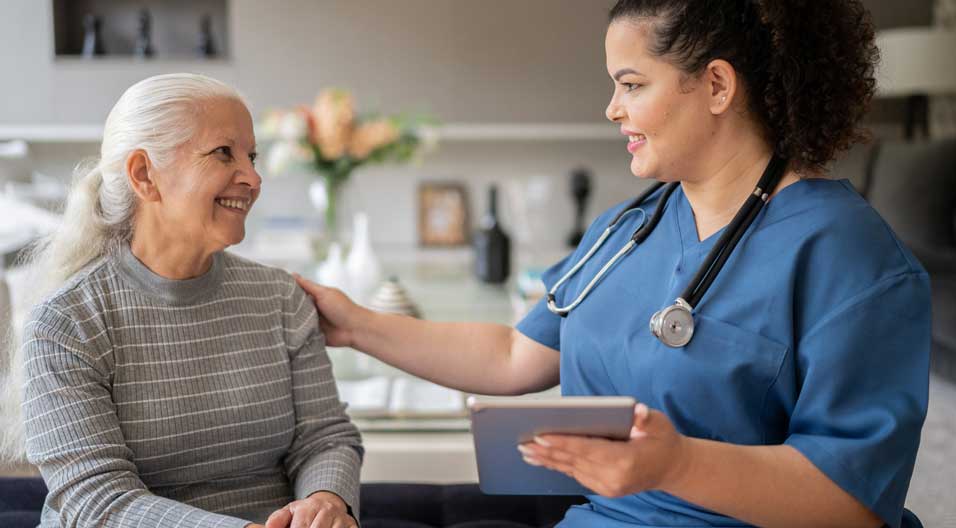
Understanding Personalized Home Health Care
Personalized home health care is more than just a service—it is an approach that places the individual at the heart of every decision. Unlike traditional models of care that follow standardized routines, this method acknowledges that each person has unique medical requirements, preferences, and goals for their quality of life. It looks at patients as whole individuals, not just conditions to be treated. For example, two people with the same illness may require entirely different care plans depending on their lifestyle, cultural background, and support systems. This flexibility makes it easier to provide solutions that feel natural and respectful to the client. Personalized care also extends beyond physical health, recognizing the importance of emotional well-being, independence, and dignity. Families are often included in planning, ensuring everyone feels involved and informed in the process.
Why Personalized Home Health Care Matters Today
The demand for home health care services is growing rapidly as populations age and more individuals live with chronic health conditions. Many families are also seeking alternatives to hospitals or long-term care facilities, wanting loved ones to remain in the comfort of their homes. Personalized home health care meets these needs by delivering professional support directly to the individual’s living space. This allows patients to recover, manage conditions, or age gracefully in familiar surroundings that bring them peace of mind. Compared with hospital stays, home care reduces stress, lowers the risk of infections, and can even improve recovery outcomes. It also provides continuity of care, as patients are not transferred between multiple providers or facilities. In today’s health-conscious world, where people value both safety and independence, this model has become a preferred choice for many families.
Key Components of Personalized Home Health Care
At the core of personalized home health care are tailored care plans designed to suit each person’s unique health status, needs, and aspirations. These plans are not static—they evolve over time as conditions change and goals shift. Services may include medication management to prevent errors, physical therapy for rehabilitation, or skilled nursing for chronic illness management. Non-medical support such as companionship, meal preparation, and mobility assistance are equally important in maintaining a high quality of life. Some individuals may also require nutrition guidance, occupational therapy, or help with daily routines like bathing and dressing. The integration of these services ensures that no aspect of a person’s well-being is overlooked. By combining clinical expertise with personal attention, care providers deliver a comprehensive support system that empowers individuals and their families.
The Role of Caregivers and Medical Professionals
Caregivers and medical professionals form the backbone of personalized home health care. Registered nurses, physical therapists, and physicians often collaborate with trained caregivers to provide a holistic approach. These professionals work closely with patients to monitor progress, adjust care plans, and address emerging health concerns. The consistency of caregivers also helps establish trust, which is vital for the success of long-term care. Relationships built on compassion and empathy foster emotional security for patients who may feel vulnerable. Families also play a key role in this partnership, contributing insights into daily habits, preferences, and challenges. By working together, the caregiving team ensures that care remains truly personal and responsive. This collaborative approach makes home health care not just a medical service but a supportive community around the individual.
Benefits Beyond Medical Care
One of the most remarkable aspects of personalized home health care is that it extends far beyond clinical support. Emotional well-being is a central focus, with caregivers often acting as companions who reduce feelings of loneliness and isolation. This is especially important for seniors who may live alone or have limited social interaction. By encouraging independence, caregivers help individuals maintain a sense of control over their lives, which strengthens confidence and dignity. Personalized home care also supports family relationships, allowing loved ones to spend more quality time together without the constant burden of caregiving responsibilities. Social engagement, whether through conversations, activities, or community involvement, further enriches the individual’s daily life. Safety is also a priority, with caregivers ensuring that environments remain secure and accessible. This comprehensive approach nurtures both the body and the spirit.
Technology’s Impact on Personalized Home Health Care
Advancements in technology have transformed the way personalized home health care is delivered. Remote monitoring devices allow caregivers and medical professionals to track vital signs such as blood pressure, heart rate, and oxygen levels in real time. Telehealth platforms make it possible for patients to consult with physicians without leaving their homes, ensuring continuity of care even from a distance. Smart home systems add another layer of safety, with features such as fall detection sensors, automated medication reminders, and voice-activated emergency assistance. Technology also strengthens communication among patients, families, and providers by enabling secure updates and progress reports. These innovations not only improve medical outcomes but also offer peace of mind to families who may live far from their loved ones. By combining human compassion with cutting-edge tools, personalized home health care becomes more efficient, responsive, and adaptable.
Choosing the Right Personalized Home Health Care Provider
Selecting the right provider is one of the most critical decisions families must make. Qualifications, licensing, and experience are essential factors to consider, as they determine the quality and safety of care. Reputation and reviews from other families can also provide valuable insight into the reliability of a provider. It is important to evaluate the range of services offered, ensuring that medical, therapeutic, and personal needs are all addressed. Cultural sensitivity and the ability to respect individual preferences further distinguish a truly personalized service. Families should not hesitate to ask questions about caregiver training, emergency protocols, and how care plans are developed and adjusted. Providers who emphasize open communication and collaboration often deliver the highest satisfaction. Ultimately, the right provider should demonstrate both professional expertise and genuine compassion.
Addressing Common Misconceptions
There are several misconceptions surrounding personalized home health care that deserve clarification. Many people believe it is only intended for seniors, but in reality, it benefits individuals of all ages, including children and adults recovering from surgeries or managing chronic conditions. Another common myth is that home care is unaffordable, yet many insurance plans and Medicare options help cover services, making it more cost-effective than long-term hospitalization. Some also confuse non-medical home care with medical home health care, when in fact, both can be integrated to provide complete support. Another misconception is that receiving care at home isolates patients, when personalized care actually fosters stronger connections with caregivers and family members. Personalized home health care is designed to be flexible and adaptive, making it accessible and beneficial to a wide range of individuals. Dispelling these myths helps families make informed decisions with confidence.
Personalized Home Health Care for Different Needs
The adaptability of personalized home health care makes it suitable for a variety of health challenges. For individuals with chronic illnesses such as diabetes, heart conditions, or respiratory problems, care plans include regular monitoring and medication management. Post-surgery recovery is another area where in-home support ensures proper wound care, therapy, and faster healing. Patients with Alzheimer’s or dementia benefit from specialized cognitive care and a familiar environment that reduces confusion and anxiety. Mobility assistance allows those with physical limitations to maintain independence while remaining safe at home. Pediatric home health care addresses the unique needs of children who require medical attention or therapeutic services. Each plan is carefully tailored to reflect not only the medical requirements but also the personal preferences and family dynamics of the individual. This versatility is one of the greatest strengths of personalized home health care.
Frequently Asked Questions (FAQ)
1. What is personalized home health care and how is it different from standard home care?
Personalized home health care adapts services to meet the unique medical and personal needs of each individual, whereas standard care often follows a generalized routine.
2. How do I know if my loved one needs personalized home health care?
Signs include difficulty managing daily activities, frequent medical visits, or the need for specialized support due to chronic conditions or recovery.
3. Can personalized care plans be adjusted over time?
Yes, care plans are flexible and updated as health conditions, goals, or family circumstances change.
4. Is this type of care covered by insurance or Medicare?
Many aspects of home health care are covered, depending on eligibility, the provider, and the services required.
5. How can technology make home health care more effective and safe?
Tools like remote monitoring, telehealth, and smart home systems enhance safety, communication, and real-time medical oversight.
6. What qualifications should caregivers or providers have?
Caregivers should have proper training, certifications, and experience, while agencies should be licensed and recognized for quality standards.
Takeaway
Personalized home health care is more than a service—it is a philosophy that respects individuality, dignity, and independence while providing medical and emotional support in the comfort of home. By combining professional expertise, compassionate caregiving, and advanced technology, this approach creates a holistic system of care tailored to unique needs. Families seeking the best for their loved ones will find that personalized care offers not just health benefits but also peace of mind and stronger connections.