

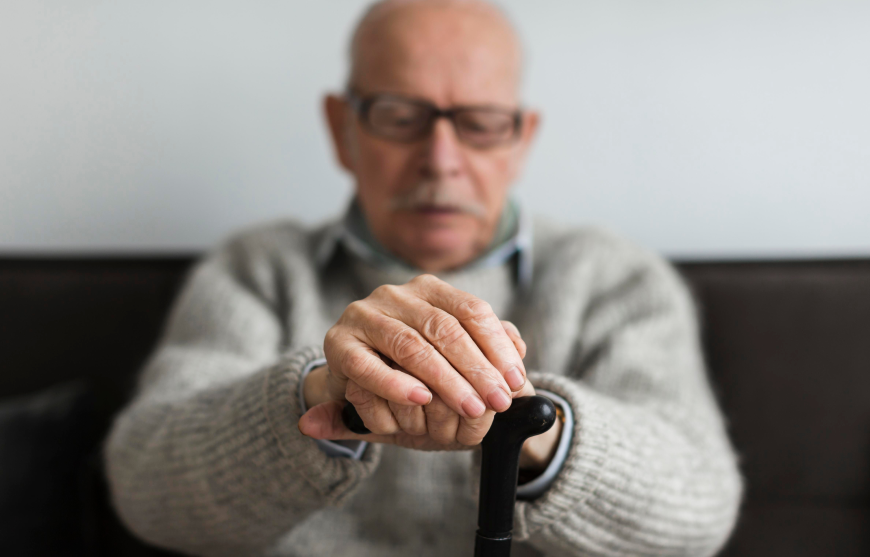
Parkinson’s Disease is a progressive neurological disorder that primarily affects movement. It occurs when certain nerve cells in the brain, particularly those responsible for producing dopamine, become damaged or die. Dopamine is essential for smooth, coordinated muscle movement, and its deficiency leads to many of the motor symptoms associated with the condition. Parkinson’s Disease does not only affect physical movement; it can also influence cognitive function, mood, and overall quality of life. While the disease is more commonly diagnosed in people over the age of 60, it can also occur in younger adults. The exact cause is not fully understood, but research points to a combination of genetic and environmental factors. Awareness of Parkinson’s Disease is crucial for early detection and effective management.
Causes and Risk Factors
Parkinson’s Disease develops due to a complex interplay of factors. Genetic predisposition can play a significant role, particularly in families with a history of the disorder. Mutations in certain genes, such as LRRK2 and PARK7, have been linked to increased risk. Environmental factors, including long-term exposure to pesticides, herbicides, and industrial chemicals, may contribute to the onset of the disease. Head injuries and repeated trauma have also been associated with increased susceptibility. Age remains one of the most significant risk factors, with symptoms typically appearing after age 60. Men are slightly more likely to develop Parkinson’s Disease than women, although reasons for this difference are not entirely clear. Lifestyle factors, such as low physical activity or poor diet, may also influence the risk of developing the condition over time.
Recognizing the Symptoms
Parkinson’s Disease affects both motor and non-motor functions. Early signs may be subtle and often go unnoticed. Motor symptoms include tremors, usually starting in one hand or finger, stiffness in the limbs, slowness of movement (bradykinesia), and balance issues. Non-motor symptoms can include depression, anxiety, sleep disturbances, constipation, and cognitive changes such as memory problems. Patients may notice difficulty with speech, writing, or swallowing as the disease progresses. Symptoms typically worsen over time, and the severity varies widely between individuals. Detecting symptoms early allows for timely intervention and better management of daily challenges.
Diagnosis and Medical Evaluation
Diagnosing Parkinson’s Disease involves a comprehensive medical evaluation. Doctors assess the patient’s medical history and conduct a thorough neurological examination to observe movement, balance, and coordination. Imaging techniques, such as MRI or DaTscan, can help identify characteristic changes in the brain and rule out other conditions. Laboratory tests are often used to exclude similar disorders and check for underlying metabolic issues. Diagnosis can be challenging because symptoms overlap with other neurodegenerative disorders. Physicians may also monitor the patient over time to observe disease progression and treatment response. Accurate diagnosis is critical to tailoring effective management plans and improving quality of life.
Treatment Options and Management
While there is no cure for Parkinson’s Disease, a variety of treatments can help manage symptoms and maintain independence. Medications are commonly prescribed to address dopamine deficiency. These include:
- Levodopa combined with carbidopa to replenish dopamine levels
- Dopamine agonists that mimic dopamine effects in the brain
- MAO-B inhibitors to slow dopamine breakdown
Surgical options, such as Deep Brain Stimulation, may be considered for advanced cases to control motor symptoms. Physical therapy and structured exercise programs are highly recommended to improve mobility, strength, and balance. Speech therapy can assist with communication challenges, while occupational therapy helps patients maintain daily routines. Nutrition also plays a key role in symptom management, with diets rich in antioxidants and fiber supporting overall health. Mental health support is equally important to address anxiety, depression, or stress that may accompany the disease.
Daily Life and Coping Strategies
Living with Parkinson’s Disease presents unique challenges, but various strategies can help patients maintain independence. Mobility can be improved with assistive devices, including canes, walkers, or specialized utensils for eating. Establishing a structured daily routine helps manage symptoms and reduces fatigue. Exercise is essential, not only for physical strength but also for mental well-being. Mind-body practices such as yoga, tai chi, and meditation can reduce stress and improve flexibility. Caregivers play a vital role, providing emotional support, assisting with daily tasks, and coordinating medical care. Technology, such as smartphone apps and wearable devices, helps track symptoms and medication schedules. Community support groups also offer opportunities to share experiences, learn coping techniques, and build connections.
Emerging Research and Future Developments
Research into Parkinson’s Disease continues to advance rapidly. Clinical trials are exploring neuroprotective drugs designed to slow disease progression and protect nerve cells. Scientists are investigating stem cell therapies to regenerate dopamine-producing neurons. Wearable technology and AI-driven monitoring systems allow real-time tracking of symptoms and treatment effectiveness. Genetic research is uncovering risk factors that may lead to earlier detection and personalized therapy. Researchers are also studying gut health, inflammation, and other systemic factors that may influence disease progression. Innovative approaches such as focused ultrasound and gene therapy offer hope for alternative treatment options. Understanding the disease at a molecular level is key to developing more effective therapies in the future.
Preventive Measures and Risk Reduction
Although Parkinson’s Disease cannot be completely prevented, certain measures may reduce risk or delay symptom onset. Regular exercise is associated with improved motor function and brain health. Diets rich in fruits, vegetables, whole grains, and omega-3 fatty acids support cognitive function and overall well-being. Avoiding exposure to environmental toxins, such as pesticides and industrial chemicals, is recommended. Stress management, including mindfulness practices and adequate sleep, contributes to long-term neurological health. Social engagement and mental stimulation can help maintain cognitive abilities. Regular check-ups with healthcare providers ensure early detection of changes in health or motor function. Combining these practices with medical management provides the best approach to living well with Parkinson’s Disease.
Common Misconceptions
Misunderstandings about Parkinson’s Disease can affect both patients and caregivers. One common myth is that tremors are present in all cases, yet many patients experience stiffness or slow movements without noticeable shaking. Another misconception is that Parkinson’s only affects older adults; early-onset cases can occur in younger individuals. Some believe that Parkinson’s Disease is solely a motor disorder, but non-motor symptoms significantly impact quality of life. The disease is often confused with other movement disorders, making accurate diagnosis crucial. Myths about treatment, such as the belief that medications are ineffective or harmful, can prevent patients from seeking proper care. Awareness and education help dispel these misconceptions and promote a more supportive environment.
Frequently Asked Questions (FAQ)
Can Parkinson’s Disease be inherited?
Some cases have a genetic component, particularly when mutations in specific genes are present, but most cases occur sporadically without a clear family history.
What is the average life expectancy for someone with Parkinson’s Disease?
With proper management, many patients live for decades after diagnosis, although disease progression varies widely.
How early can Parkinson’s Disease symptoms appear?
While most diagnoses occur after age 60, early-onset Parkinson’s Disease can occur in people in their 30s or 40s.
Are there natural remedies that help with Parkinson’s Disease?
Exercise, balanced diet, mindfulness, and physical therapy can support symptom management but should complement prescribed medical treatment.
Can exercise slow down Parkinson’s Disease progression?
Regular physical activity improves mobility, strength, and balance, and emerging research suggests it may have protective effects on brain health.
Takeaway
Parkinson’s Disease is a complex, progressive condition that affects both movement and overall well-being. Understanding its symptoms, risk factors, and treatment options empowers patients and caregivers to make informed decisions. While there is currently no cure, proper medical care, lifestyle adjustments, and support networks can help maintain independence and improve quality of life. Ongoing research offers hope for more effective therapies, highlighting the importance of early detection and proactive management. With the right combination of strategies, individuals with Parkinson’s Disease can lead fulfilling lives and navigate daily challenges with confidence.